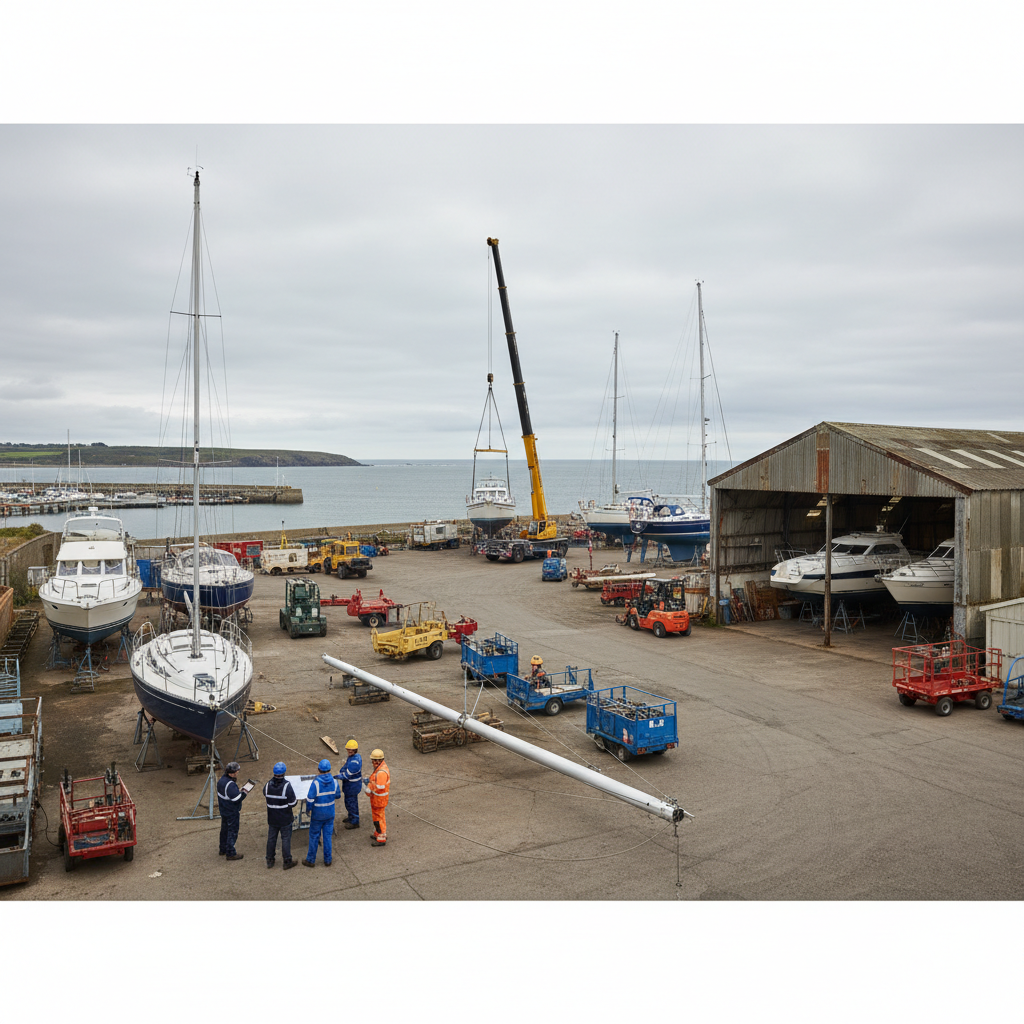
In the modern UK boatyard, a diverse ecosystem of independent shipwrights, marine electricians, riggers, and upholsterers is common. While these subcontractors provide essential expertise and flexibility, managing their presence on your site presents a unique set of operational challenges that can impact your bottom line.
Without a structured approach to subcontractor workflows, boatyard managers often face bottlenecks, safety risks, and 'margin creep'—where the yard loses out on its percentage because of poor tracking. This guide explores how to integrate external trades into your yard operations seamlessly, ensuring high standards of work and clear financial accountability.
The Importance of Standardised Induction Processes
Every subcontractor entering your yard represents a potential liability if they are not properly vetted and briefed. In the UK, the Health and Safety at Work etc. Act 1974 places significant responsibility on the site operator. Relying on a 'nod and a wink' is no longer sufficient; you need a standardised digital induction for every external contractor.
Your induction should cover the specifics of your site, such as hazardous material storage, emergency muster points, and heavy lift zones. By requiring subcontractors to complete a digital sign-in and upload current Public Liability Insurance certificates before they even pick up a tool, you create a robust compliance audit trail that protects the business.
Crucially, this isn't just about safety. An induction is your opportunity to set expectations regarding site cleanliness and professional conduct. In a busy yard where client boats are high-value assets, ensuring every subcontractor knows where to dispose of old anti-foul scrapings or how to secure a power lead prevents friction between different trades.
100% Compliance
Digital induction records ensure 100% compliance with HSE regulations by preventing site access for unvetted contractors.
Scheduling Handovers and Avoiding Work Traps
One of the most frequent frustrations in UK workshops is the 'job overlap.' This occurs when a marine engineer is scheduled to service an engine at the same time a shipwright is sanding the cockpit teak, leading to dust contamination or physical workspace conflicts. Without a centralised view of the yard schedule, these clashes are inevitable.
Effective subcontractor management requires a clear 'Permit to Work' system. By using a digital scheduling tool, you can assign specific boat zones to specific contractors at specific times. This visibility allows your yard office to see at a glance if the rigger has finished stepping the mast before the canopy maker arrives to measure up.
Transitioning from whiteboard-based scheduling to a cloud-based calendar ensures that subcontractors can see their assigned slots remotely. This reduces 'no-show' incidents and unnecessary travel for the tradespeople, fostering a more professional and reliable relationship between the yard and its trusted partners.
See This in Marina Yard Manager
Job Profitability
Quoted
£950
Labour
£660
Materials
£331
Margin
£-41
Pressure wash and degrease hull
3.5h
£193
First coat blacking — port side
4h
£220
First coat blacking — starboard, anode removal
4.5h
£248
Switch between jobs to compare profitability • Mobile-friendly time logging
Try it free for 14 days — no credit card required
Start Free TrialResource Management and Consumables Tracking
Subcontractors often rely on the yard for heavy equipment or shared resources. Whether it’s the use of a pressure washer, a scaffold tower, or the yard crane, the costs of these assets—both in terms of wear and tear and electricity—frequently go unbilled if not tracked in real-time.
Implementing a digital logging system for yard equipment ensures that if a subcontractor uses the yard’s forklift for two hours, that time is automatically attributed to the relevant job card. This prevents the yard from absorbing the operational costs of the subcontractor’s work, maintaining your true gross margin.
Similarly, the 'incidental' use of yard stock—such as resins, fastenings, or tapes—can add up to thousands of pounds in lost revenue over a season. A system that allows subcontractors to request parts against a specific work order ensures that every penny is accounted for and billed to the end customer correctly.
20% Margin Loss
The average UK boatyard loses up to 20% of subcontractor-related revenue through unbilled equipment hire and missed yard fees.
Features
Related Articles
Financial Integrity and Commission Tracking
In the UK boating industry, it is standard practice for a yard to take a percentage or 'yard fee' from external contractors working on-site. However, managing this via paper invoices and retrospective emails is notoriously inaccurate and open to disputes.
By integrating subcontractor invoicing into your core boatyard management software, you create a transparent 'tri-party' financial record. This ensures that the customer is billed an agreed rate, the subcontractor is paid for their labour, and the yard automatically retains its facility fee without manual calculation errors.
This level of financial clarity is vital for cash flow. When a subcontractor completes a task, they should be able to update the job status on their mobile device. This triggers the yard’s ability to invoice the client immediately, rather than waiting for the end of the month to gather disparate bits of paper from various contractors.
Quality Control and Client Communication
Ultimately, the boat owner views the yard as the primary service provider. If a subcontractor performs sub-par work, it is the yard’s reputation that suffers. Establishing a formal sign-off process is essential for maintaining high standards and avoiding late-stage warranty claims.
Encourage subcontractors to upload photos of completed work directly to the project file. This provides visual evidence for the client and allows the yard manager to 'virtually' inspect the work from the office. In instances of complex repairs, such as GRP hull work, having a photo-documented trail of each stage (grinding, lay-up, gelcoat) is invaluable for both the owner and future surveyors.
Modern digital tools allow these updates to be shared with the boat owner automatically. This transparency builds immense trust; the owner sees progress in real-time, understands exactly which specialists are working on their vessel, and feels more comfortable paying the final bill.
Frequently Asked Questions
How can I ensure subcontractors actually have valid insurance?
Use a digital management system that requires an insurance certificate upload as part of the induction. The software should automatically flag expired documents and prevent the contractor from being assigned to NEW jobs until a renewal is provided.
What is the best way to track yard fees from subcontractors?
Instead of manual billing, use a 'Purchase Order vs Sales Invoice' model within your software. When you bill the client for the subcontractor's time, the system automatically calculates the yard's percentage and generates the corresponding payment record.
Is it better to have a dedicated subcontractor portal?
Yes. A portal allows external trades to see their specific jobs, record their hours, and upload photos without seeing the confidential financial data of your entire boatyard operation.
Related Reading

Written by
Hamish Lowry-Martin
Founder & Lead Developer
With 30 years in IT and 20 years developing business systems, Hamish spent the last decade working closely with marinas and boat yards — watching first-hand how they struggle with outdated tools. That hands-on observation led to Marina Yard Manager.
Learn more about our teamReady to Streamline Your Yard?
Start your 14-day free trial. No credit card required.
Start Free Trial