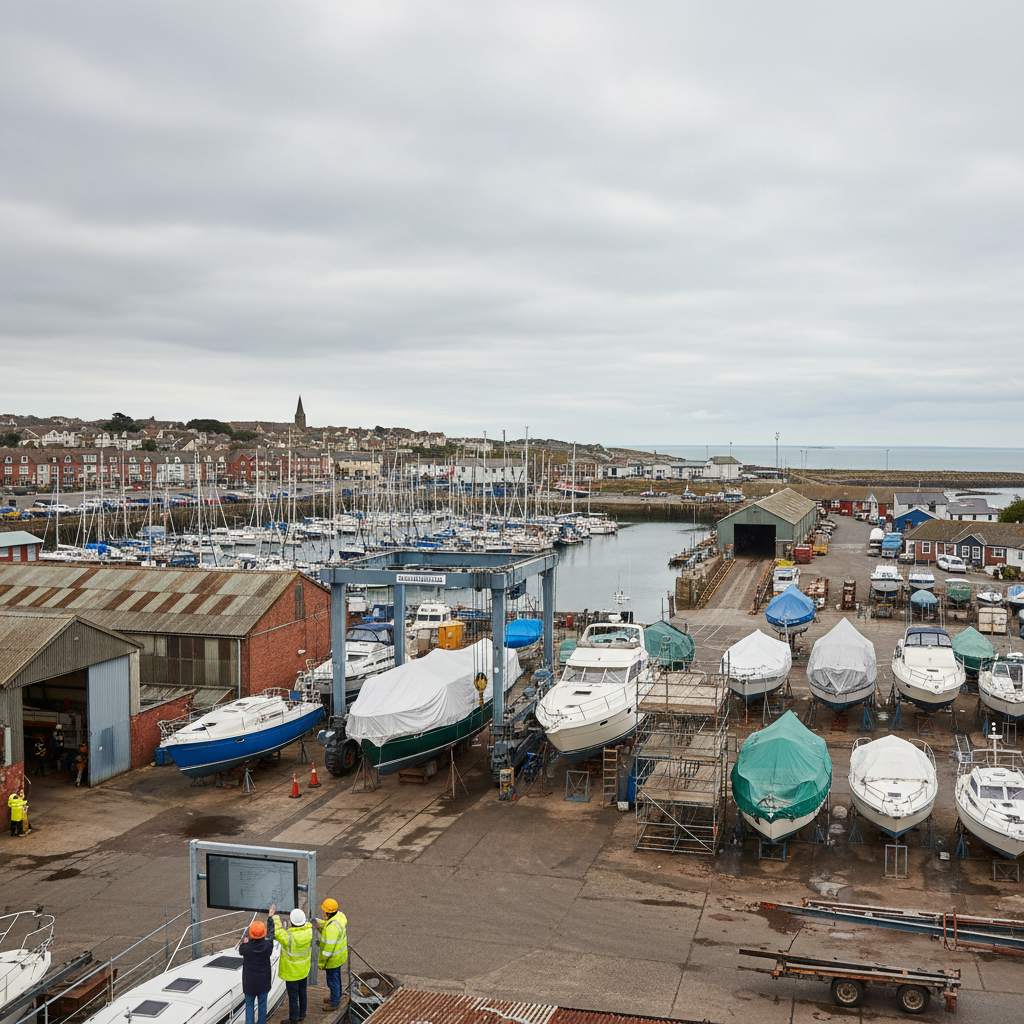
In the complex ecosystem of a UK boatyard, timing is everything. Whether it is synchronising the travel hoist with a high tide on the Hamble or ensuring a specialist GRP laminator is available the moment a hull is dried out, the bottleneck is rarely the volume of work—it is how that work is scheduled against limited resources.
Transitioning from whiteboard-based planning to digital resource scheduling represents one of the most significant shifts a yard manager can make. This guide explores how to leverage technology to balance specialist labour, high-value equipment, and physical workshop space to maximise billable hours and reduce 'dead time' between jobs.
The Triple Constraint: Labour, Equipment, and Space
Every project in a boatyard relies on three primary variables: the right skill set (labour), the right tools (equipment), and the right location (space). In traditional UK yards, these are often managed in silos. The workshop manager knows who is free, the dockmaster knows the hoist schedule, and the office knows which boats are in the shed. When these data points aren't unified, efficiency leaks occur.
Take, for example, a standard engine refit. It requires a marine engineer, the use of a mobile crane or forklift, and a dedicated bay in the workshop. If the engineer is ready but the forklift is being used for a mast stepping at the other end of the yard, the project stalls. Digital scheduling tools allow managers to see these dependencies in real-time, ensuring that a 'job' isn't just a line item on a spreadsheet, but a coordinated event where all three constraints are met simultaneously.
Overcoming the Multi-Skilled Labour Gap
The UK marine industry faces a perennial shortage of specialist skills. Most yards rely on a handful of highly skilled individuals—shipwrights, marine electricians, and finishers—who are often pulled in multiple directions. Without a centralised scheduling system, these 'hero' employees often become the biggest bottlenecks because their actual availability is obscured by manual planning.
Technology enables 'Skill-Based Routing.' By tagging staff members with specific competencies in your management software, you can automatically filter who is eligible for a specific task. Furthermore, by viewing a digital 'Gantt' style timeline of your team's week, you can spot over-allocations before they turn into missed deadlines. This transparency allows for more realistic quoting and ensures that your most expensive labour is always focused on high-priority, billable tasks rather than waiting for instructions.
20% Efficiency Increase
Studies show that yards moving from manual to digital scheduling see a significant boost in billable hour utilisation.
See This in Marina Yard Manager
Job Schedule
Try it free for 14 days — no credit card required
Start Free TrialSynchronising Equipment Availability with Tidal Windows
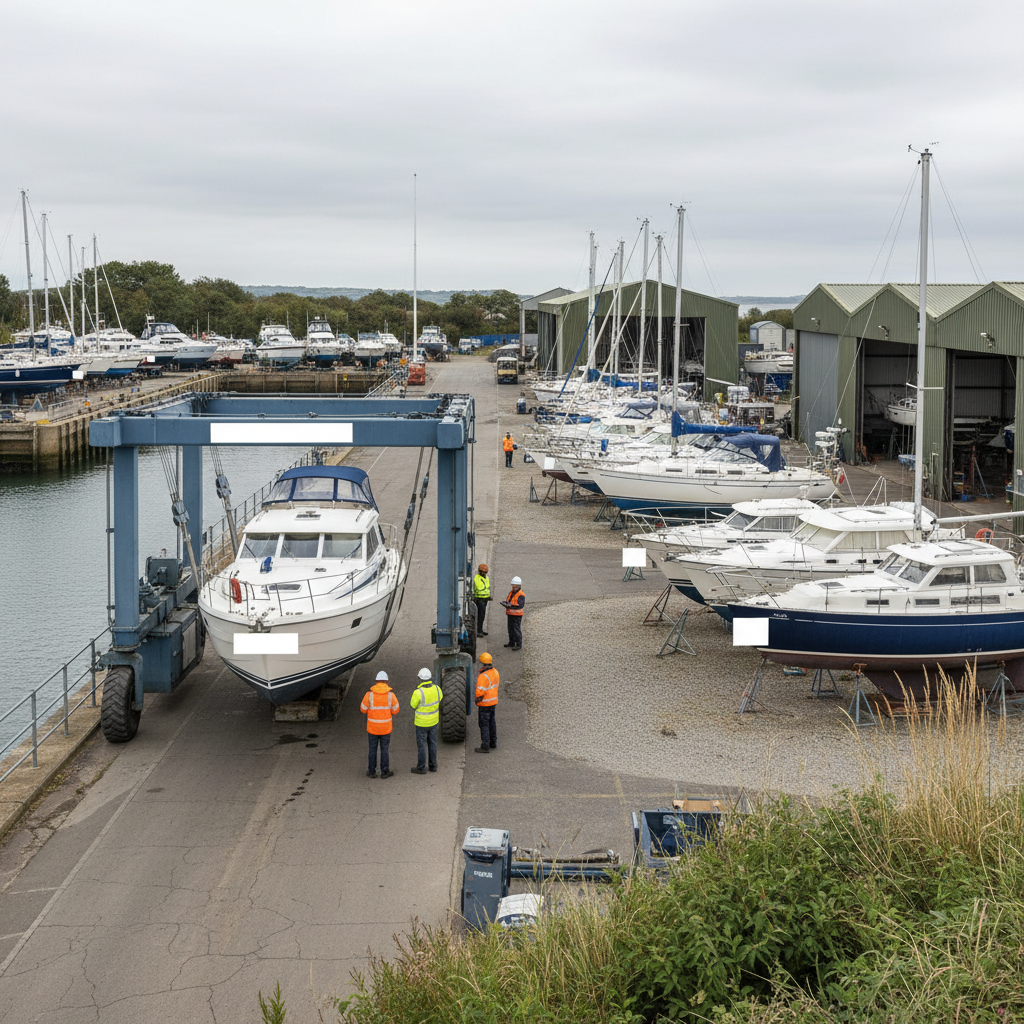
Unlike land-based workshops, UK boatyards are often beholden to the environment. Launching and recovery schedules are dictated by tides, especially in estuaries like the Orwell or the Dart. This adds a layer of complexity to equipment scheduling; your hoist or crane has a finite window of operation that must be exploited to the maximum.
Integrated yard management software allows you to overlay your equipment schedule with tidal data and weather forecasts. By digitising the hoist diary, every member of the team knows exactly when a vessel is coming out and where it is going. This prevents the common scenario where a boat is lifted but its designated cradle or yard space isn't ready, causing the hoist to stand idle and delaying the next lift in the sequence. Efficiency in the 'lifting bay' ripples through the entire workshop schedule.
Features
Related Articles
Real-Time Data Capture from the Shop Floor
For scheduling to be effective, it must be based on reality, not just optimism. This is where many manual systems fail. If a task takes two hours longer than estimated, every subsequent job in that bay or for that technician is now behind. Without a digital feedback loop, the manager might not realise this until the end of the day.
Empowering technicians with mobile tablets or ruggedized kiosks allows them to 'clock on' to specific jobs in real-time. As they update their progress, the central schedule can automatically adjust. If a hull polish is taking longer due to unexpected osmosis treatment requirements, the software can highlight the conflict for the next scheduled job immediately. This level of agility allows managers to reassign resources on the fly, keeping the yard moving and ensuring customers are kept informed of any changes to their ready-for-sea date.
The Power of Visual Drag-and-Drop Scheduling
In the fast-paced environment of a busy coastal marina, static spreadsheets simply cannot keep up with the fluid nature of marine maintenance. Visual drag-and-drop interfaces have revolutionised boatyard resource scheduling by providing a bird's-eye view of the entire operation. Instead of manually updating cells or re-writing whiteboards, managers can simply move a task block from one day to another, with the software automatically recalculating the impact on labour and equipment availability.
This visual approach allows for instant 'what-if' scenario planning. If a vessel arrives early for its winter refit due to an incoming storm, a manager can drag that job into an earlier slot and immediately see which other tasks need to be shifted. This level of agility is essential for UK yards that must contend with unpredictable weather windows and tight tidal constraints. By making the schedule interactive, you remove the cognitive load of mental mapping, allowing your team to focus on high-quality craftsmanship rather than administrative puzzles.
Integrating Equipment Maintenance into the Master Schedule
A common pitfall in boatyard resource scheduling is treating plant and machinery as 'always available' assets. In reality, your travel lift, mobile crane, and pressure washers require their own service intervals and safety inspections to remain LOLER compliant. If your hoist goes offline for an unscheduled repair, your entire haul-out schedule for the week collapses, leading to frustrated customers and idle staff.
Modern digital tools allow you to treat equipment as a 'finite resource' with its own calendar. By scheduling preventative maintenance as a non-billable task within the same system used for customer jobs, you ensure that no boat is booked for a lift when the machinery is due for a service. This holistic view prevents the costly 'double-booking' of assets and ensures that your equipment remains a reliable link in your operational chain rather than a single point of failure.
Real-Time Communication: Connecting the Office to the Pontoon
Effective boatyard resource scheduling doesn't end when the plan is created; it requires a constant feedback loop from the yard floor. When a shipwright discovers unforeseen osmosis during a hull inspection, the original time estimate for that job becomes obsolete. Without a digital link, that information might stay with the technician until the end of the day, causing a ripple effect of delays for the next scheduled vessel.
By using mobile-responsive scheduling software, technicians can update their progress in real-time via tablets or smartphones. As soon as a task is marked as 'delayed' or 'completed,' the master schedule updates for the office staff. This transparency allows for proactive customer service—enabling you to inform the next boat owner of a delay before they have even hitched their trailer. In the modern UK market, where customer experience is a key differentiator, this level of professional communication is invaluable.
Data-Driven Forecasting for Seasonal Peaks
The UK boating season is notoriously cyclical, with frantic 'launch' and 'lay-up' periods in the spring and autumn. Historical data captured through digital boatyard resource scheduling provides a goldmine of information for future planning. By analysing the actual time taken for common tasks—such as antifouling a 40ft yacht or winterising a twin-engine cruiser—managers can move away from 'guesstimates' and towards precision quoting.
This data allows you to identify your most profitable services and your most efficient resource allocations. For instance, you might find that certain teams work faster in specific sheds, or that crane hire is more cost-effective when batched on specific days of the week. Over time, this historical insight transforms your scheduling from a reactive daily chore into a strategic tool that drives the long-term profitability and growth of your boatyard.
Frequently Asked Questions
How does digital scheduling handle emergency 'drop-in' repairs?
Digital systems allow you to see the impact of an emergency job on your existing commitments instantly. You can 'drag and drop' lower-priority tasks to later dates to clear a path for the urgent repair without losing track of what was moved.
Is it difficult to train staff who are used to paper job cards?
Modern boatyard software is designed for simplicity. Use of familiar interfaces like touchscreens and simple 'Start/Stop' buttons makes the transition intuitive for technicians of all experience levels.
How does digital boatyard resource scheduling improve profit margins?
By reducing 'dead time' between tasks and ensuring that expensive specialist labour is always assigned to billable work. It also prevents over-runs by providing more accurate time estimates based on historical data.
Can scheduling software handle both internal staff and external contractors?
Yes, modern systems allow you to create profiles for third-party contractors, ensuring their availability is factored into the project timeline alongside your permanent shipwrights and engineers.
Is it difficult to transition from a paper-based diary to digital scheduling?
While there is a learning curve, visual drag-and-drop interfaces are designed to mimic the intuitive feel of a whiteboard, making the transition much smoother for yard managers used to traditional methods.
Related Reading
Written by
Hamish Lowry-Martin
Founder & Lead Developer
With 30 years in IT and 20 years developing business systems, Hamish spent the last decade working closely with marinas and boat yards — watching first-hand how they struggle with outdated tools. That hands-on observation led to Marina Yard Manager.
Learn more about our teamReady to Streamline Your Yard?
Start your 14-day free trial. No credit card required.
Start Free Trial