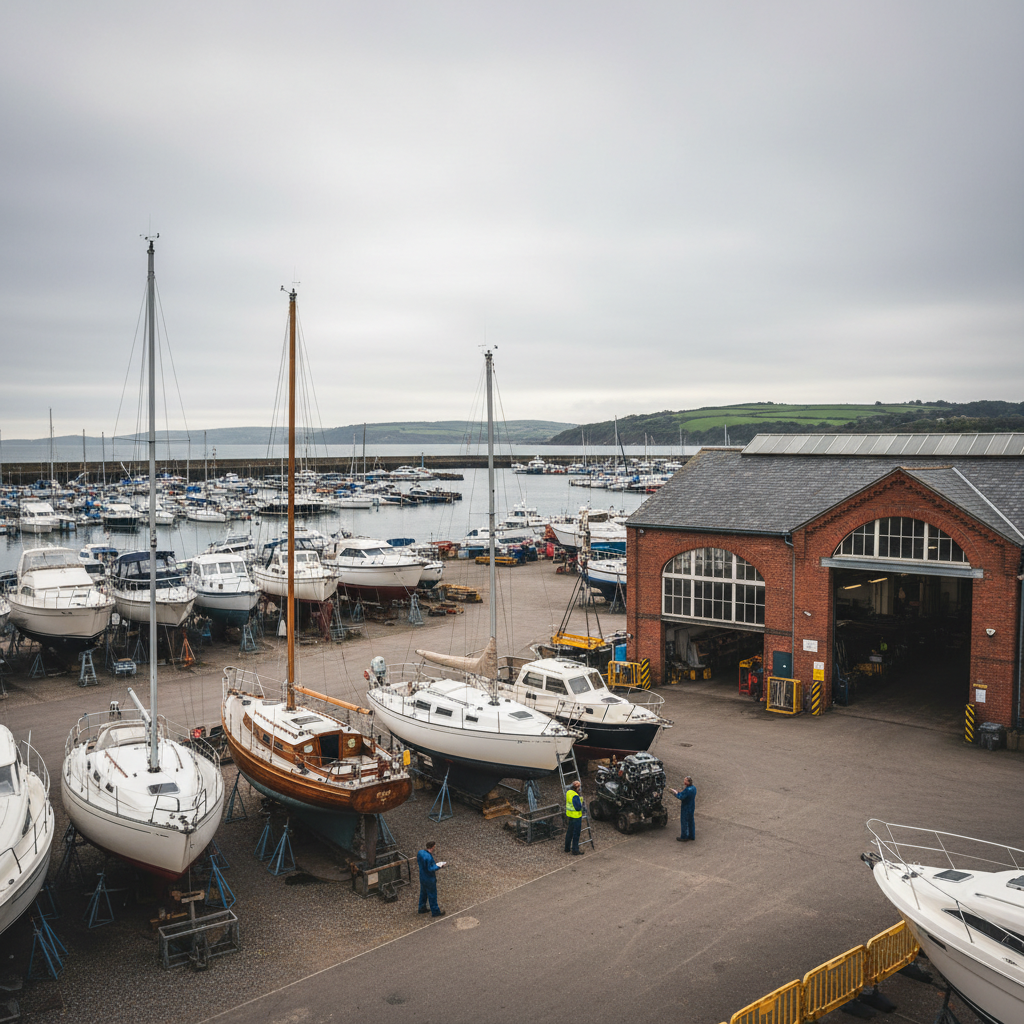
In the high-pressure environment of a UK boatyard, few roles are as critical—or as difficult to manage—as the marine engineer. Whether they are performing a complex engine rebuild or troubleshooting an electrical fault, their time is the workshop's most valuable asset. Efficient marine engineer scheduling is not just about keeping people busy; it is about leveraging [boat yard scheduling software](/boat-yard-scheduling-software) to ensure the right skills are applied to the right vessel at the exact moment parts are available.
For workshop managers from the Solent to the Clyde, the challenge remains the same: balancing emergency breakdowns with long-term refit projects while dealing with unpredictable weather. By implementing a dedicated [marine workshop management system](/boat-yard-scheduling-software), businesses can refine their scheduling processes, reduce non-billable downtime, and create a more profitable operation.
The Complexity of Marine Engineering Timelines
Scheduling for a marine engineer is vastly different from scheduling a standard mechanic. In a boatyard, access is often restricted, requiring coordination with dockmasters for lifts or splash-downs. If an engineer is booked for a 50-hour engine overhaul but the boat is still blocked in behind three others on the hardstanding, the schedule collapses before work even begins.
Effective scheduling requires a holistic view of the yard's capacity. Managers must account for 'travel and prep' time, which is frequently underestimated. A technician walking from the workshop to the furthest pontoon with a heavy tool bag can lose thirty minutes of billable time per day. By grouping jobs geographically within the yard—a core tenet of [Marine Business Management: The Complete UK Guide](/blog/marine-business-management-guide)—you can claw back these lost hours and improve your bottom line.
Prioritising Jobs: Urgent vs. Important
In the peak of the season, every customer believes their engine issue is an emergency. Without a robust framework for marine engineer scheduling, the loudest voice often gets the attention, regardless of profitability or contract commitments. Establish a clear prioritisation matrix based on job type, customer loyalty, and parts availability.
Maintenance contracts and winterisation projects should provide the 'baseline' for your engineers' diaries, while leaving 'white space' for high-margin emergency repairs. Integrating your schedule with [Boatyard Stock Management: Precision for UK Marine Workshops](/blog/precision-inventory-management-uk-workshops) ensures that an engineer is never scheduled for a job where the necessary impeller, filters, or gaskets are still sitting on a courier van. If the parts aren't in the bin, the job shouldn't be on the schedule.
See This in Marina Yard Manager
Job Schedule
Try it free for 14 days — no credit card required
Start Free TrialMatching Skills to the Specification
Not all engineers are created equal. You may have a lead technician who is a wizard with Volvo Penta EVC systems but less efficient at basic hull polishing or anode replacement. Marine engineer scheduling must be granular enough to track certifications and specialist skill sets. Assigning a highly-paid senior engineer to a task that a junior apprentice could handle is a common drain on UK yard productivity.
Utilising a digital plan board allows managers to see at a glance who is over-allocated and who has capacity. This transparency is vital for [Marine Workshop Scheduling: How UK Yards Stay Organised](/blog/marine-workshop-scheduling-uk-yards), preventing burnout among your most skilled staff and ensuring that complex diagnostic work is given the focused time it requires without constant interruptions for 'quick' five-minute queries.
Features
Related Articles
The Role of Real-Time Data and Mobile Access
Paper job cards are the enemy of efficient scheduling. By the time an engineer returns to the office to hand in a completed card, the schedule is already out of date. Modern UK yards are moving towards mobile-first solutions where engineers can update their progress in real-time. If an engine mount replacement takes longer than estimated due to unforeseen corrosion, the manager knows instantly and can adjust the afternoon's schedule accordingly.
On the [marinayardmanager.co.uk](https://marinayardmanager.co.uk) platform, we see that yards utilising live time-tracking significantly reduce 'leakage'—those small gaps between jobs that go unbilled. When an engineer finishes a task and clicks 'complete' on their tablet, they can immediately see their next prioritised task, complete with location notes and parts lists, keeping the momentum going throughout the workshop.
25% Increase in Billable Hours
UK yards moving from paper-based scheduling to digital job cards typically see a significant rise in captured labour time.
Managing Customer Expectations through Scheduling
Communication is the cornerstone of a successful workshop. If a marine engineer is delayed because of a late delivery or an emergency call-out, the customer needs to know before they arrive at the marina expecting their boat to be ready for the weekend. A well-managed schedule allows you to provide realistic lead times rather than 'finger in the air' estimates.
By linking your scheduling software to a customer portal, you can provide automated updates. This reduces the number of phone calls the workshop manager has to field, allowing them to focus on optimising the workflow rather than defending it. Accurate scheduling builds trust, and trust is what keeps boat owners returning to your yard year after year.
Reviewing Performance to Refine Future Schedules
The best scheduling is iterative. At the end of each month, review the 'Estimated vs. Actual' time for every major engineering task. If your schedule consistently allows 4 hours for a particular service but your engineers consistently take 6, your scheduling parameters need adjustment. This approach removes the guesswork from quotes and ensures your pricing reflects the reality of the work performed.
Incorporate a review of non-billable time as well. Are your engineers spending too long searching for tools? Is the walk to the fuel dock taking longer than planned? Small adjustments to yard layout or workshop organisation can have a massive impact on the viability of your marine engineer scheduling. Continuous improvement is the hallmark of a professionally managed UK boatyard.
Leveraging Marina Scheduling Software for Real-Time Resource Allocation
To move beyond static spreadsheets and whiteboards, modern facilities are increasingly turning to dedicated marina scheduling software. This technology allows managers to synchronise engineer diaries with the physical movements of vessels within the marina. When a marine engineer is assigned to a task, the software can automatically check the vessel's location—whether it is on a specific berth or recently moved to a service pontoon—ensuring the technician doesn't waste time searching for the boat.
The integration of marina scheduling software also facilitates better communication between the front office and the engineering team. By using a centralised digital platform, any changes to a vessel's status are updated instantly. If a berth holder delays their arrival, the software alerts the scheduler, allowing them to reassign the engineer to a different task immediately. This level of agility is essential for maintaining high billable hours during the busy UK summer season.
Integrating Parts Inventory with Engineering Workflows
A common bottleneck in marine engineering is the 'missing part' syndrome. An engineer arrives at the marina berth, begins the disassembly, and discovers a bespoke gasket or filter is out of stock. By utilising marina scheduling software that includes inventory management modules, you can ensure that parts are 'kitted' and ready before the job is even added to the engineer's digital calendar.
This proactive approach transforms the efficiency of the workshop. The software can be configured to prevent a job from being scheduled until the required components are marked as 'in stock' or 'received'. For UK marina operators, this reduces the frequency of half-finished jobs occupying valuable service berths and ensures that the marine engineer scheduling remains fluid and predictable, rather than reactive and chaotic.
Mobile Access: Empowering Engineers on the Pontoons
The physical layout of a marina presents unique challenges for data capture. Expecting an engineer to walk back to a central office to log hours or update a job sheet is a recipe for data inaccuracy. High-quality marina scheduling software offers mobile-responsive interfaces or dedicated apps that engineers can use directly from the cockpit or engine room. This allows for real-time 'clocking on' to specific tasks, providing management with an accurate picture of labour costs versus estimates.
Furthermore, mobile access allows engineers to upload photos of discovered faults or completed work directly to the customer's profile. This transparency not only builds trust with the berth holder but also creates a digital audit trail that is invaluable for warranty claims and insurance purposes. By digitising the workflow through marina scheduling software, the administrative burden on the engineer is halved, allowing them to focus on the technical work they were hired to perform.
Data-Driven Forecasting for Seasonal Staffing
The UK marine industry is notoriously seasonal, with peaks in spring commissioning and autumn winterisation. Marina scheduling software provides the historical data necessary to forecast these surges with precision. By analysing the previous year's labour reports, marina managers can identify exactly when they need to bring on additional contractors or offer overtime to their core engineering team.
This long-term view prevents the 'burnout' often seen in marine technicians during May and June. When you can visualise the entire season's workload through a digital lens, you can smooth out the peaks and troughs. Scheduling software enables you to move non-urgent maintenance tasks into quieter periods, ensuring a steady stream of revenue and a more manageable pace of work for your marine engineers throughout the calendar year.
Frequently Asked Questions
How much 'buffer time' should I leave in a marine engineer's daily schedule?
We recommend leaving at least 15-20% of the day unallocated for travel, tool cleanup, and minor administrative tasks. This prevents one delay from cascading into a total schedule failure.
What is the best way to handle emergency breakdown requests?
Designate specific 'response blocks' in your weekly schedule or have a rotating 'on-call' engineer. Never compromise high-value, long-term refit projects by pulling lead engineers off-site for minor breakdown calls.
Should engineers track their own time or should a manager do it?
Engineers should track their own time using digital job cards at the point of work. This ensures maximum accuracy for billing and allows managers to monitor progress in real-time.
How does marina scheduling software improve engineer billable hours?
By reducing 'dead time' spent walking between berths and ensuring all parts are available before a job starts, marina scheduling software maximises the time engineers spend on actual technical work, directly increasing billable efficiency.
Can I manage both berth bookings and engineering tasks in one system?
Yes, an integrated marina scheduling software solution allows you to see vessel locations and engineering schedules in a single view, preventing conflicts between boat movements and scheduled maintenance.
Is mobile tracking necessary for marine engineers?
While not strictly necessary, it is highly recommended. Mobile tracking via marina scheduling software ensures that labour time is recorded accurately at the point of work, reducing errors associated with end-of-day manual entry.
Related Reading

Written by
Hamish Lowry-Martin
Founder & Lead Developer
With 30 years in IT and 20 years developing business systems, Hamish spent the last decade working closely with marinas and boat yards — watching first-hand how they struggle with outdated tools. That hands-on observation led to Marina Yard Manager.
Learn more about our teamReady to Streamline Your Yard?
Start your 14-day free trial. No credit card required.
Start Free Trial