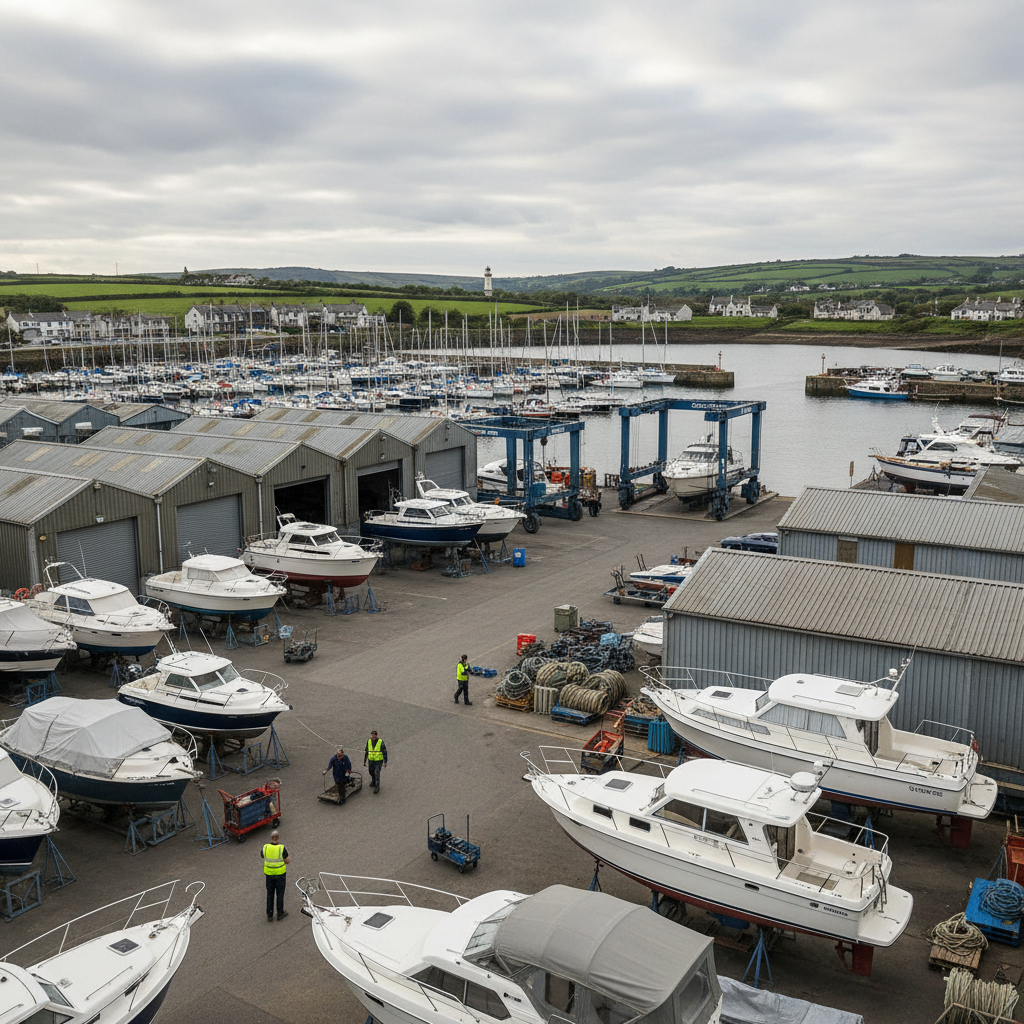
In the bustling environment of a UK boatyard, the humble job card is the lifeblood of operations. Whether it is a routine engine service on a Princess motor yacht or a complex structural repair on a classic Broads cruiser, the ability to track time, materials, and progress accurately is what separates a profitable workshop from one struggling with overheads.
As we move further into the digital age, the limitations of paper-based systems—smudged ink, misplaced sheets, and manual data re-entry—are becoming increasingly apparent. Modern marine job card software offers a robust solution, bridging the gap between the chaotic reality of the workshop floor and the precision required for administrative excellence.
The Anatomy of a Digital Job Card
A digital job card is far more than an electronic version of a paper form; it is a dynamic data hub. For a workshop manager at a busy South Coast marina, a digital system provides real-time visibility into exactly which engineer is working on which vessel. This level of transparency is essential for managing customer expectations, especially when owners are calling for updates on their autumn refits.
The core functionality of marine job card software revolves around the centralisation of technical data. When a technician opens a job on their tablet or mobile device, they should immediately see the hull identification number, previous service history, and specific customer instructions. This prevents the frequent 'back-and-forth' between the boat and the office that plagues traditional yards.
Capturing Labour and the Cost of Lost Time
In the UK marine industry, labour is often the largest expense and the most significant source of revenue leakage. Manual timesheets are notoriously inaccurate, often filled out at the end of the week based on memory. By utilising marine job card software, engineers can 'clock on' and 'clock off' tasks in real-time, right from the cockpit or engine room.
This granular tracking allows yard managers to identify bottlenecks. Is a specific type of antifouling job consistently taking longer than estimated? Are certain engineers more efficient at rigging than others? With digital data, these aren't guesses; they are insights that can be used to refine future estimates and improve overall business health, as explored in our Marine Business Management Guide (/blog/marine-business-management-guide).
20% Revenue Increase
UK yards typically see a significant uplift in billable hours simply by capturing 'forgotten' time through digital tracking.
See This in Marina Yard Manager
Job Schedule
Try it free for 14 days — no credit card required
Start Free TrialStreamlining Parts and Inventory Integration
One of the biggest headaches for UK boatyards is the 'missing impeller' syndrome—where parts are taken from stores but never recorded on the customer's bill. Integrated marine job card software eliminates this by linking the job card directly to the inventory system. When a technician uses a part, it is scanned or selected on the digital card, automatically updating stock levels and adding the cost to the pending invoice.
This integration is particularly vital for VAT compliance and margin protection. By ensuring every stainless steel bolt and litre of oil is accounted for, yards can maintain healthy margins despite the rising costs of marine components in the UK market. You can explore more about software solutions for these challenges at marinayardmanager.co.uk.
95% Inventory Accuracy
Integrating job cards with stock control dramatically reduces unbilled parts and stock shrinkage in busy workshops.
Features
Related Articles
Enhancing Customer Communication and Trust
Customer expectations in the marine sector have shifted. Boat owners, used to high-end automotive service standards, now expect detailed digital records of the work performed on their vessels. Marine job card software allows technicians to attach photos and videos directly to the job record. Showing a customer a photo of a corroded stern gland is far more effective than a verbal explanation.
This transparency builds immense trust. When the final invoice is sent, it can be accompanied by a detailed report generated directly from the digital job card, showing exactly what was done, by whom, and what parts were used. This reduces billing disputes and ensures the boatyard is seen as a professional, tech-forward operation.
The Transition: From Paper to Pixels
Adopting new technology can feel daunting for long-established yards. However, the transition to marine job card software can be phased. Many UK yards start by digitising their most common recurring tasks—such as winterisation or annual servicing—before rolling out the system for complex refit projects. The key is choosing a platform designed specifically for the unique workflows of the marine industry.
Unlike generic field service apps, specialised marine software understands the nuances of boatyard life, such as cradle locations, lift-out schedules, and the complexities of marine VAT. Implementing such a system ensures that the yard stays competitive in an increasingly digital landscape, safeguarding its future for years to come.
Frequently Asked Questions
Will my engineers find the software difficult to use?
Modern marine job card software is designed for ease of use in rugged environments, featuring large buttons and intuitive interfaces that work well on tablets and smartphones even in a workshop setting.
Does this software work offline if we have poor Wi-Fi on the pontoons?
Most leading solutions offer offline capabilities, allowing technicians to record data which then syncs automatically once they are back within range of the yard's Wi-Fi or a mobile signal.
How does digital job tracking affect our insurance and compliance?
Digital records provide a robust audit trail, proving that work was carried out to specific standards and safety protocols, which is invaluable for health and safety compliance and insurance claims.
Related Reading
Written by
Hamish Lowry-Martin
Founder & Lead Developer
With 30 years in IT and 20 years developing business systems, Hamish spent the last decade working closely with marinas and boat yards — watching first-hand how they struggle with outdated tools. That hands-on observation led to Marina Yard Manager.
Learn more about our teamReady to Streamline Your Yard?
Start your 14-day free trial. No credit card required.
Start Free Trial